NASA has set coverage plans for the debut of Northrop Grumman’s Cygnus XL cargo spacecraft on the CRS-23 resupply mission to the International Space Station (ISS), launching on a SpaceX Falcon 9 from Cape Canaveral Space Force Station. Liftoff is targeted for no earlier than 6:11 p.m. EDT on Sunday, Sept. 14, 2025, from Space Launch Complex 40.
What’s new on this mission
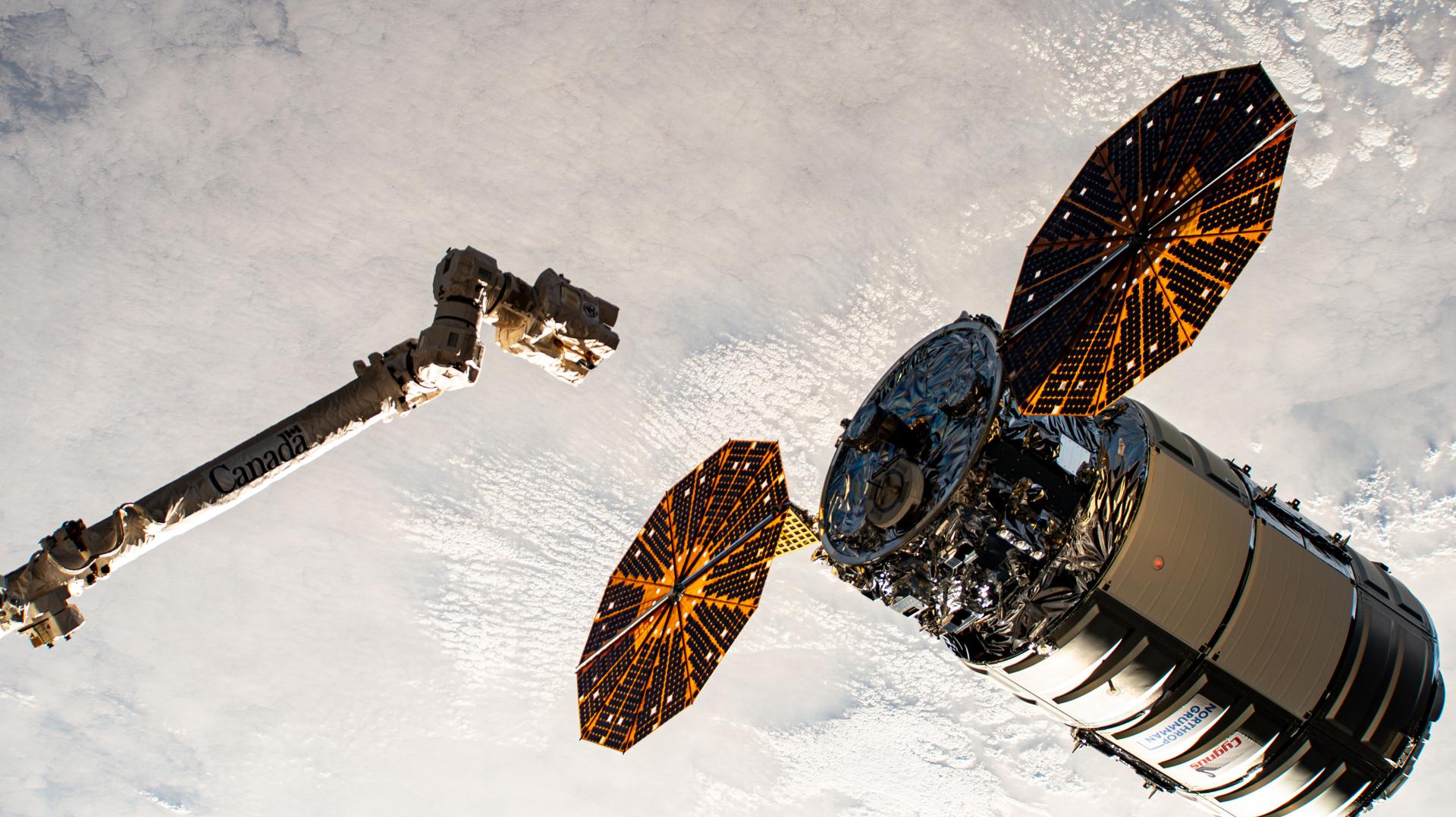
This flight marks the first mission for the larger, more cargo-capable Cygnus XL variant. The spacecraft will carry more than 11,000 pounds of research, crew provisions, and station hardware. Following launch, Cygnus XL will rendezvous with the ISS for robotic capture and berthing.
Launch and ISS timeline (all times Eastern)
- Sunday, Sept. 14: 5:50 p.m. – Launch coverage begins on NASA+ and Amazon Prime; 6:11 p.m. – Liftoff from SLC-40.
- Wednesday, Sept. 17: 5:00 a.m. – Arrival coverage begins; 6:35 a.m. – Canadarm2 capture; 8:00 a.m. – Installation coverage begins, with berthing to the Unity module’s Earth-facing port.
Additional prelaunch events include an ISS National Laboratory science webinar on Wednesday, Sept. 10, and a prelaunch media teleconference on Friday, Sept. 12. All activities are subject to change based on real-time operations.
Research and cargo highlights
- Materials to produce semiconductor crystals in microgravity for next-generation electronics.
- Equipment aimed at advancing cryogenic fuel tank technologies and propellant management.
- A specialized UV light system designed to inhibit microbial growth in spacecraft water systems.
- Supplies for producing pharmaceutical crystals with potential applications in cancer and other disease treatments.
On-orbit operations and departure
After capture and installation, station crew members will unload time-critical research and cargo. The Cygnus XL is scheduled to remain at the ISS until March, after which the spacecraft will depart and perform a destructive reentry over the Pacific. Northrop Grumman has named this vehicle S.S. William McCool in honor of the NASA astronaut.
How to follow
Live coverage will stream on NASA+ and Amazon Prime, with additional updates and launch-day blogging available via NASA’s website. On-demand video and imagery will be posted shortly after liftoff. For the latest schedule and coverage details, see NASA’s advisory: NASA sets coverage for Northrop Grumman CRS-23, SpaceX Falcon 9 launch.