NASA plans to send crew-derived organ chips on the Artemis II mission as part of a study designed to map how deep space radiation and microgravity affect human biology. The investigation, known as AVATAR (A Virtual Astronaut Tissue Analog Response), will fly miniaturized, lab-grown tissue systems built from cells donated by the Artemis II astronauts on the crewed, roughly 10-day lunar flyby. The goal is to advance personalized countermeasures for astronaut health and inform medical readiness for future missions to the Moon and Mars. Source: NASA.
What Is Flying
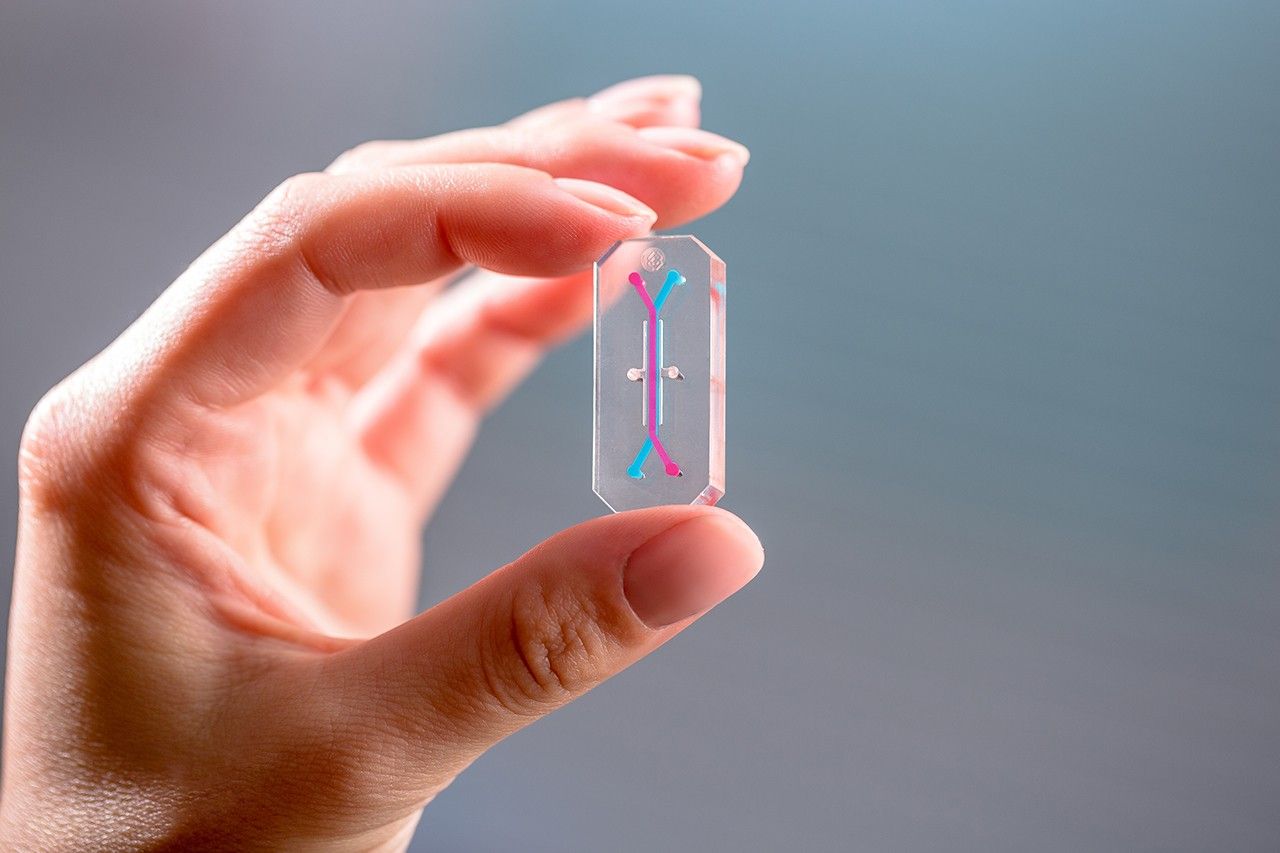
Organ-on-a-chip devices—also called tissue chips or microphysiological systems—are roughly the size of a USB thumb drive. They contain living human cells engineered to reproduce key structures and functions of specific organs, enabling controlled studies of how tissues respond to stressors such as ionizing radiation, microgravity, or pharmaceuticals. Chips can be networked to simulate inter-organ communication. The AVATAR payload focuses on bone marrow biology, a critical bellwether for radiation sensitivity and immune function.
Why Bone Marrow
Bone marrow harbors blood-forming stem and progenitor cells that generate red and white blood cells. It is among the most radiation-sensitive tissues and is also influenced by weightlessness. While astronauts in low Earth orbit benefit from Earth’s magnetic shielding, Artemis II will travel beyond that protection, exposing tissue to a different radiation environment. Studying marrow response in deep space will help characterize combined effects of radiation and microgravity on immune and hematopoietic health.
How the Chips Are Built and Flown
Artemis II crew members will donate blood components from which marrow-derived stem and progenitor cells are purified. These cells are then integrated into bone marrow chips alongside blood vessel and supporting cells to model marrow structure and function. The technology platform is provided by Emulate, while Space Tango developed a battery-powered, automated payload that maintains environmental control and media delivery throughout the mission. The payload will be mounted inside the Orion capsule.
What Scientists Will Measure
After splashdown, researchers will assess the flight-exposed bone marrow chips using single-cell RNA sequencing to capture gene-expression changes across thousands of individual cells. Results will be compared against matched ground controls, including a parallel immunology study of crew cells. The data set is expected to provide the most detailed snapshot to date of how developing blood cells respond to deep space conditions, guiding risk models, medical provisioning, and development of targeted countermeasures.
Implications for Exploration and Earth
AVATAR supports NASA’s Biological and Physical Sciences objectives to use space environments for discoveries not feasible on Earth. Insights from this mission could shape personalized healthcare strategies for long-duration exploration—such as tailored pharmaceuticals, radioprotective approaches, and pre-positioned medical kits—while accelerating oncology and radiation-medicine innovations for patients on Earth.
Key Details at a Glance
- Mission: Artemis II crewed lunar flyby (~10 days)
- Payload: Bone marrow organ chips derived from Artemis II astronaut cells
- Focus: Deep space radiation and microgravity effects on hematopoiesis and immunity
- Hardware: Emulate organ-chip platform; Space Tango autonomous payload
- Post-flight analysis: Single-cell RNA sequencing; comparison with ground controls
- Outcome targets: Personalized risk assessment, countermeasure development, and terrestrial biomedical applications
Together with other Artemis II health and performance studies, AVATAR is structured to deliver actionable evidence for protecting crews as human spaceflight extends beyond low Earth orbit to the lunar surface, Mars, and deep space destinations.