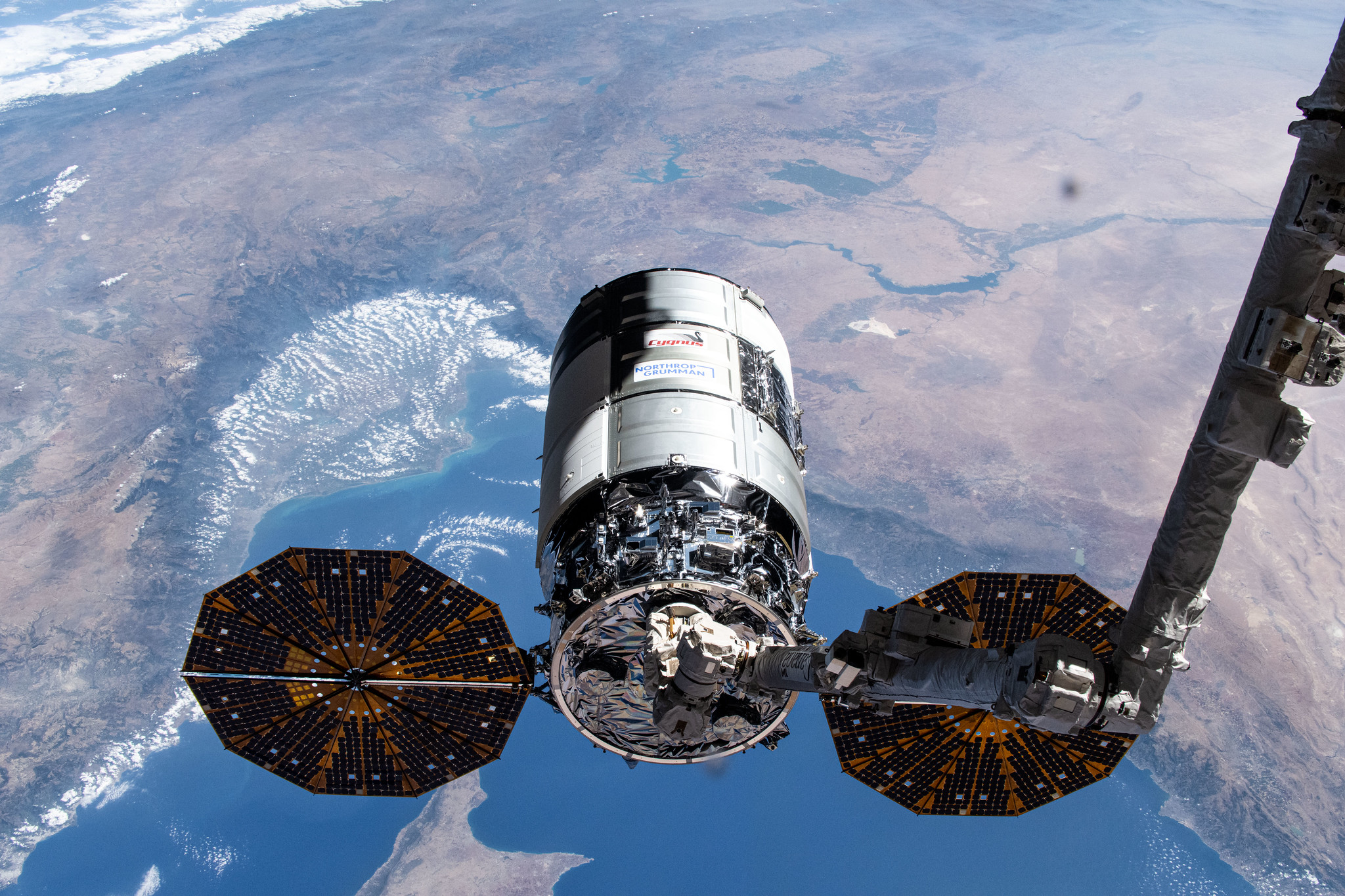
NASA and Northrop Grumman have cleared the Cygnus XL cargo spacecraft to proceed to the International Space Station, targeting robotic capture at approximately 7:18 a.m. EDT on Thursday, Sept. 18. The updated plan follows a software-triggered early shutdown of the main engine during two non-sequential rendezvous burns on Sept. 16, after which the vehicle maintained a safe trailing distance while teams evaluated telemetry and refined the approach profile.
Rendezvous status and fault response
During delta-velocity burns 3 and 5, an onboard early warning system issued a shutdown command due to a conservative safeguard within the guidance software. Spacecraft data indicated systems performed as intended, and mission control implemented an alternate burn sequence to continue phasing for station arrival. The spacecraft will now execute a series of additional maneuvers to align for capture.
The mission, designated CRS-23 under NASA’s Commercial Resupply Services contract, is the first flight of the larger, more cargo-capable Cygnus XL variant. Cygnus XL launched at 6:11 p.m. EDT on Sept. 14 atop a SpaceX Falcon 9 from Space Launch Complex 40 at Cape Canaveral Space Force Station. The vehicle features cymbal-shaped UltraFlex solar arrays and follows a berthing profile for station operations.
What to watch on Thursday (all times Eastern)
- 5:45 a.m. – Arrival coverage begins on NASA+ and partner platforms.
- 7:18 a.m. – Robotic capture with the station’s Canadarm2.
- 8:25 a.m. – Installation coverage begins.
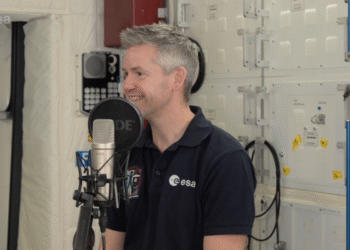
NASA astronaut Jonny Kim is scheduled to perform the capture with backup support from NASA astronaut Zena Cardman. Following capture, Cygnus XL will be installed on the Unity module’s Earth-facing port and is planned to remain at the station until March 2026.
Mission context and significance
CRS-23 supports the ISS during Expedition 73 with logistics that enable research, maintenance, and station operations. The software-triggered cutoff and subsequent replanning highlight robust fault detection, conservative safeguards, and operational flexibility in proximity operations. As the debut of the larger Cygnus configuration, the mission marks a step forward in commercial cargo capacity while maintaining established berthing procedures and robotic handling via Canadarm2.
Key milestones
- Sept. 14: Launch on Falcon 9 from Cape Canaveral.
- Sept. 16: Software-initiated early shutdown during two rendezvous burns; vehicle holds safe trajectory.
- Sept. 18: Targeted capture and installation at the ISS.
For official updates and detailed timing, see NASA’s latest post: NASA update on Cygnus XL station arrival. Operations remain subject to change based on real-time conditions.