Northrop Grumman’s Cygnus XL cargo spacecraft safely reached the International Space Station after mission teams replanned its rendezvous when a conservative engine safeguard halted two approach burns. The arrival, delayed by about one day, delivered more than 11,000 pounds of science, critical spares, food, and crew supplies for Expedition 73 without impacting station operations.
What happened
On Sept. 16, Cygnus XL’s main engine shut down early during two burns after onboard software triggered a protective response. NASA and Northrop Grumman engineers rapidly analyzed telemetry, identified a conservative software setting as the cause, and updated the rendezvous plan. With adjusted burn durations, the vehicle executed the remaining burns nominally.
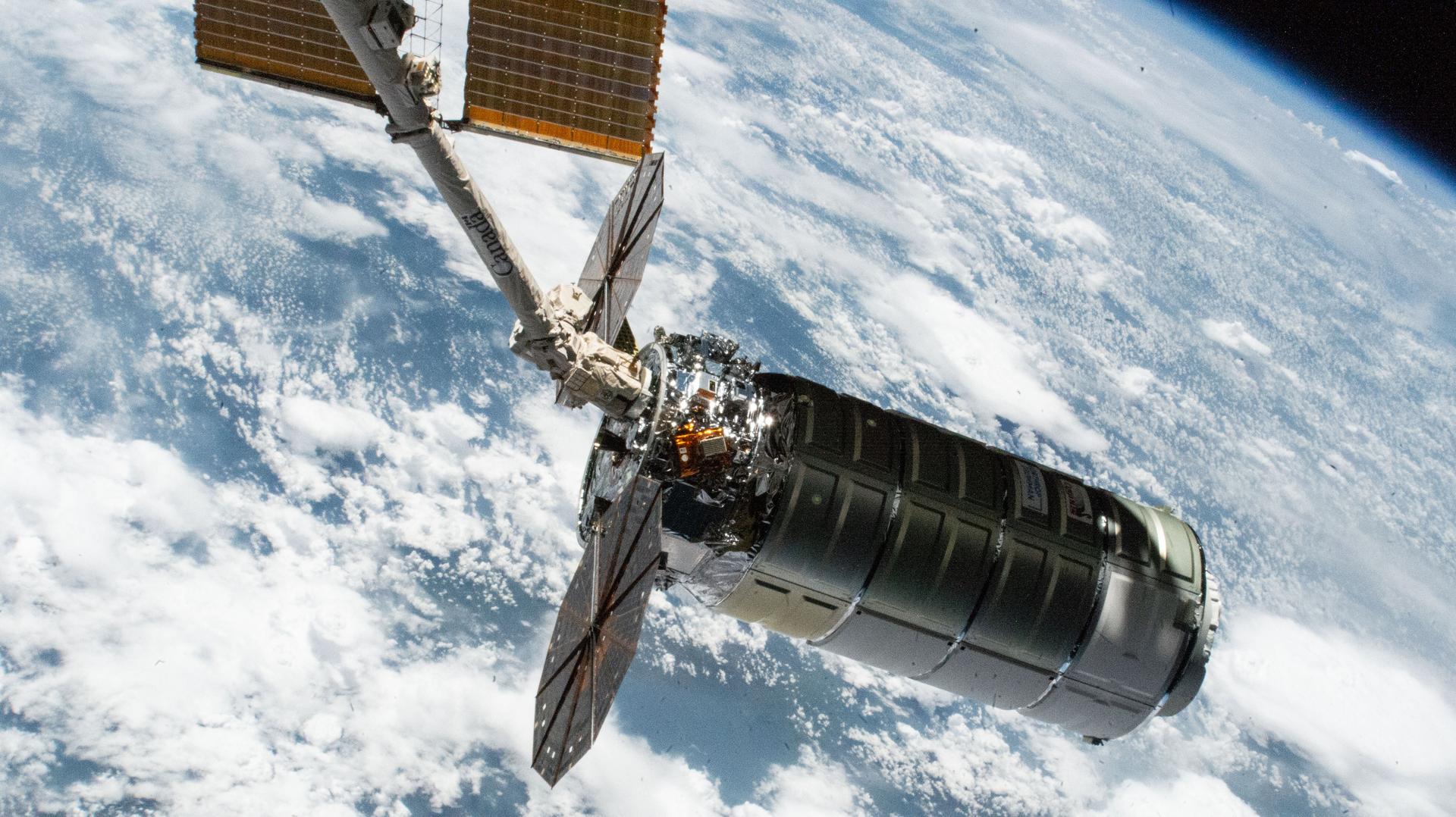
Cygnus was captured using the station’s Canadarm2 robotic arm and berthed to the Unity module on Sept. 18, restoring the planned cargo delivery with minimal schedule ripple for station activities.
Why it matters
The event underscores how automated safeguards and coordinated operations can contain risk during proximity operations in low Earth orbit. The successful replan preserved the cargo flow that sustains research and maintenance on the orbiting laboratory, including hardware spares and consumables essential to ISS logistics and mission cadence.
What’s next
Cygnus will remain attached to the ISS until spring. Before departure, the vehicle will be loaded with several thousand pounds of disposable materials. Following unberthing, it will perform a controlled reentry to burn up harmlessly in Earth’s atmosphere.
Mission timeline at a glance
- Sept. 16: Main engine shuts down early on two burns due to a software safeguard.
- Mission teams identify the conservative setting, adjust burn plan and durations.
- Subsequent rendezvous burns execute nominally.
- Sept. 18: Capture via Canadarm2 and berthing to the Unity module; cargo operations begin.
Source
Read the official update on the NASA blog.