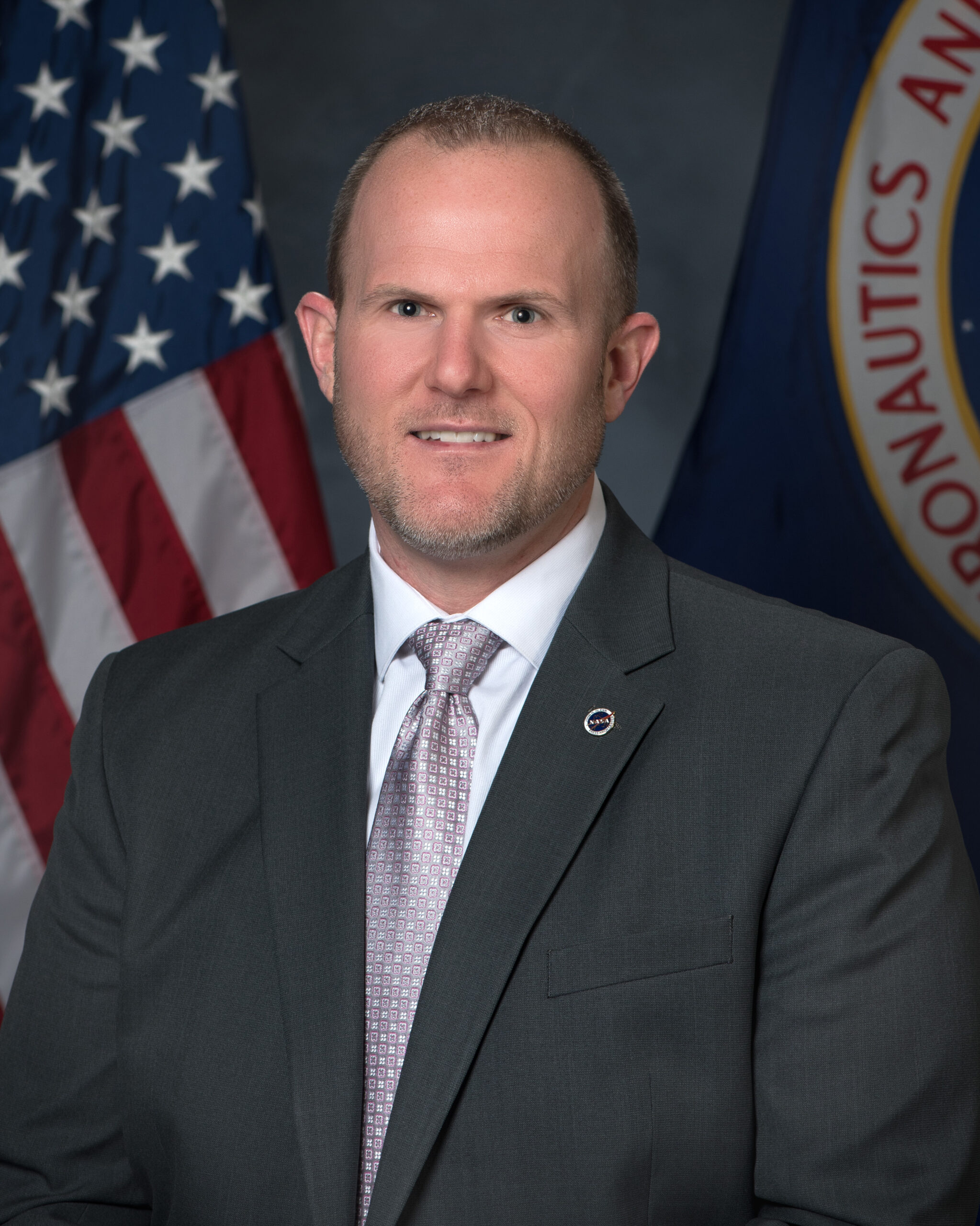
NASA has appointed Steven A. Sinacore as program executive for Fission Surface Power and named Lindsay Kaldon as deputy program executive, advancing the agency’s push to deploy a 100-kilowatt class nuclear power system on the Moon by fiscal year 2030. The leadership transition is housed within the Exploration Systems Development Mission Directorate and is anchored by NASA’s Glenn Research Center, a longtime hub for space power technologies.
Key appointments
- Program Executive: Steven A. Sinacore, previously director of Aeronautics at NASA Glenn and former deputy project manager for the Gateway Power and Propulsion Element.
- Deputy Program Executive: Lindsay Kaldon.
- Directorate: Exploration Systems Development Mission Directorate (ESDMD).
Program target: 100 kW on the Moon by FY2030
NASA recently signaled its intent to field a system capable of providing at least 100 kW of electrical power on the lunar surface by FY2030. The agency has surveyed industry for interest and feedback ahead of an anticipated partnership-driven acquisition approach. The effort builds on Glenn-led technology maturation and concept design work for fission surface power.
Why fission surface power matters
- Continuous power: Fission systems can operate through the roughly two-week lunar night and in shadowed regions, enabling steady surface operations.
- Mission enablement: Reliable energy supports habitats, science payloads, in-situ resource utilization, mobility, and communications under the Artemis campaign.
- Scalability and resilience: Architectures can be scaled for higher loads and adapted for Mars surface missions.
- Broader impact: Advancements contribute to national competitiveness and strategic resilience in space power technologies.
NASA Glenn’s role and Sinacore’s background
NASA Glenn has decades of experience in space power, propulsion, and systems integration. Sinacore joined the center in 2005 and has held roles spanning systems engineering, project management, and mission operations, including intergovernmental partnership development. His cross-agency leadership experience is positioned to accelerate fission surface power from concept to deployable capability.
What to watch next
- Industry engagement: Follow-on solicitations informed by NASA’s recent industry survey for partnerships.
- Technology maturation: Refinement of reactor, power conversion, heat rejection, and shielding subsystems for lunar conditions.
- Integration planning: Interfaces with surface assets, site selection, logistics, and safety/licensing pathways within the Artemis surface architecture.
- Mars applicability: Trade studies to adapt lunar designs for higher-power, longer-duration operations on Mars.
The Fission Surface Power initiative is a central pillar for sustained lunar presence, aiming to deliver dependable, grid-like power that is independent of sunlight and dust. With new leadership, a defined 100 kW objective, and growing industry participation, NASA is aligning program management and technical development to meet its FY2030 lunar power milestone.