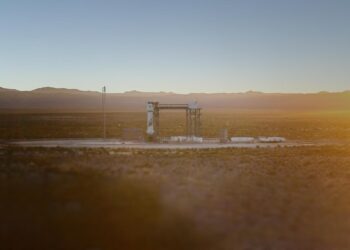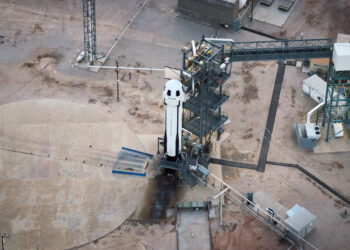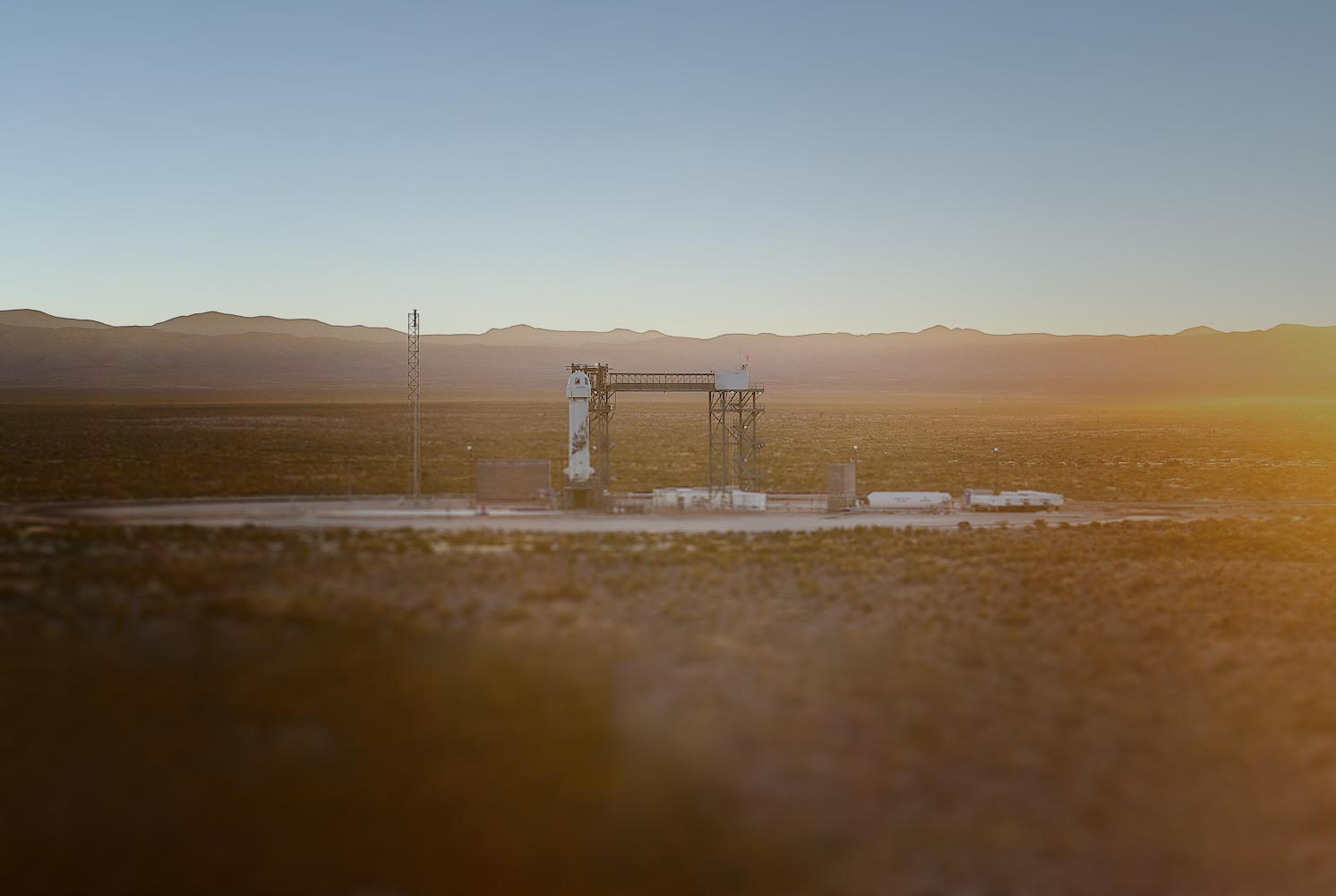
Blue Origin completed its 12th crewed suborbital mission with New Shepard on May 31, 2025, successfully flying six passengers on the NS-32 flight from Launch Site One in West Texas. The milestone marks the program’s 32nd flight overall and brings the total number of people flown to space by New Shepard to 64. The company reported a nominal mission profile that crossed the Kármán line, continuing a cadence of commercial suborbital operations begun in 2021.
Who Flew on NS-32
The NS-32 crew comprised a mix of educators, entrepreneurs, and explorers:
- Aymette (Amy) Medina Jorge — K–12 STEM teacher focused on elevating Hispanic representation in STEM
- Dr. Gretchen Green — radiologist and educator with a background in Space Camp training and polar expeditions
- Jaime Alemán — Panamanian attorney, businessman, and former ambassador to the United States
- Jesse Williams — Canadian entrepreneur, competitive cyclist, and mountaineer
- Mark Rocket — New Zealand aerospace executive and CEO of Kea Aerospace
- Paul Jeris — real estate developer and lifelong space enthusiast
Vehicle and Flight Profile
New Shepard is a fully reusable, autonomous suborbital system designed to carry people and payloads above the internationally recognized boundary of space. The booster and crew capsule are engineered for rapid reuse, a key element in lowering the cost of suborbital access. Propulsion comes from a single BE-3PM engine that burns liquid hydrogen and liquid oxygen, producing water vapor as its combustion byproduct.
The NS-32 mission followed the program’s standard profile: vertical liftoff, powered ascent to suborbital space, capsule separation for microgravity and views of Earth, followed by independent return and recovery operations in West Texas.
Program Context
With NS-32, New Shepard has now flown 64 people to space, including four who have flown twice. The flight adds to Blue Origin’s series of crewed missions conducted since 2021 and continues the program’s use for both human flights and scientific payloads. Previous missions in 2024–2025 included NS-30 and NS-31, reflecting a steady post-2024 return to operational cadence.
Blue Origin highlights the vehicle’s role in suborbital research as well as commercial astronaut experiences, with more than 175 payloads flown above the Kármán line to date across the program. NS-32 extends that track record while maintaining the reusability-first approach central to the New Shepard architecture.
For the company’s full mission recap and additional details, see the official update: Blue Origin NS-32 mission overview.