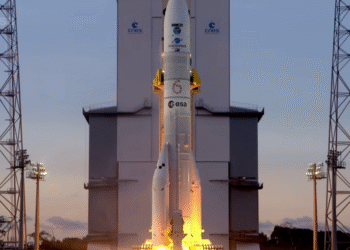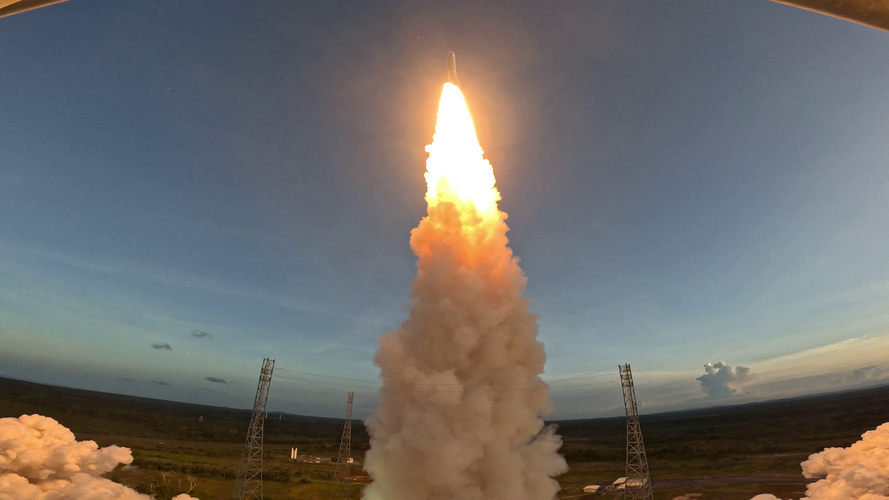
Ariane 6 has placed Sentinel-1D into orbit, adding capacity to Europe’s Copernicus radar imaging and maritime monitoring constellation. The launch occurred on 4 November 2025 at 22:02 CET (18:02 local time) from Europe’s Spaceport in French Guiana on flight VA265. The satellite will operate alongside Sentinel-1C to strengthen global Earth observation coverage and data delivery.
Mission overview
Sentinel-1D joins the Sentinel-1 mission to provide high-resolution observations of Earth’s surface regardless of weather or daylight. The spacecraft will share the same orbital plane as Sentinel-1C, positioned approximately 180 degrees apart to optimize revisit times and reduce data gaps for users worldwide.
Payload and capabilities
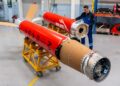
The satellite carries a C-band synthetic aperture radar (SAR) for day-and-night imaging and an Automatic Identification System (AIS) payload for ship detection and tracking. Together, these instruments expand both terrestrial and maritime situational awareness.
- SAR imaging: All-weather, high-resolution radar mapping of land and sea to support continuous monitoring.
- AIS reception: More frequent observations of vessel identity, position, and course to enhance maritime safety and surveillance.
Users and applications
Sentinel-1D data are intended to support operational services and research requiring frequent, reliable updates:
- Disaster response and crisis mapping, including floods and ground deformation.
- Environmental monitoring for forests, sea ice, and coastal dynamics.
- Maritime awareness, including ship tracking and illegal activity detection.
- Climate science and long-term change analysis.
Launch details and orbit
The mission launched on Ariane 6 from Kourou, French Guiana, under the VA265 designation. Sentinel-1D achieved orbit and will begin a commissioning sequence to calibrate instruments and validate system performance before entering routine operations.
What’s next
Following initial checkouts, the mission team will ramp up data acquisitions and integrate Sentinel-1D into the Sentinel-1 operational schedule with Sentinel-1C. The tandem configuration is expected to shorten revisit intervals over key regions, increase maritime observation cadence via AIS, and reinforce the continuity of Copernicus services.
Program context
The Copernicus Sentinel-1 constellation is designed to deliver long-term SAR coverage for Europe and international partners. With Sentinel-1D now in orbit, the system moves toward restoring higher observation frequency and resilience, supporting civil protection, environmental stewardship, and blue-economy operations.