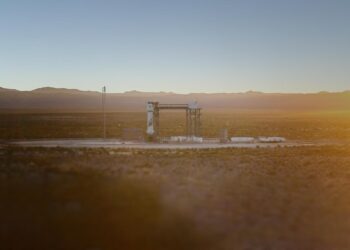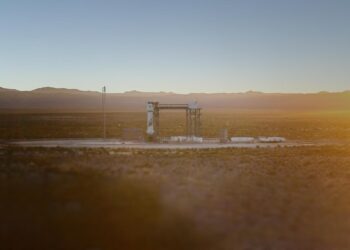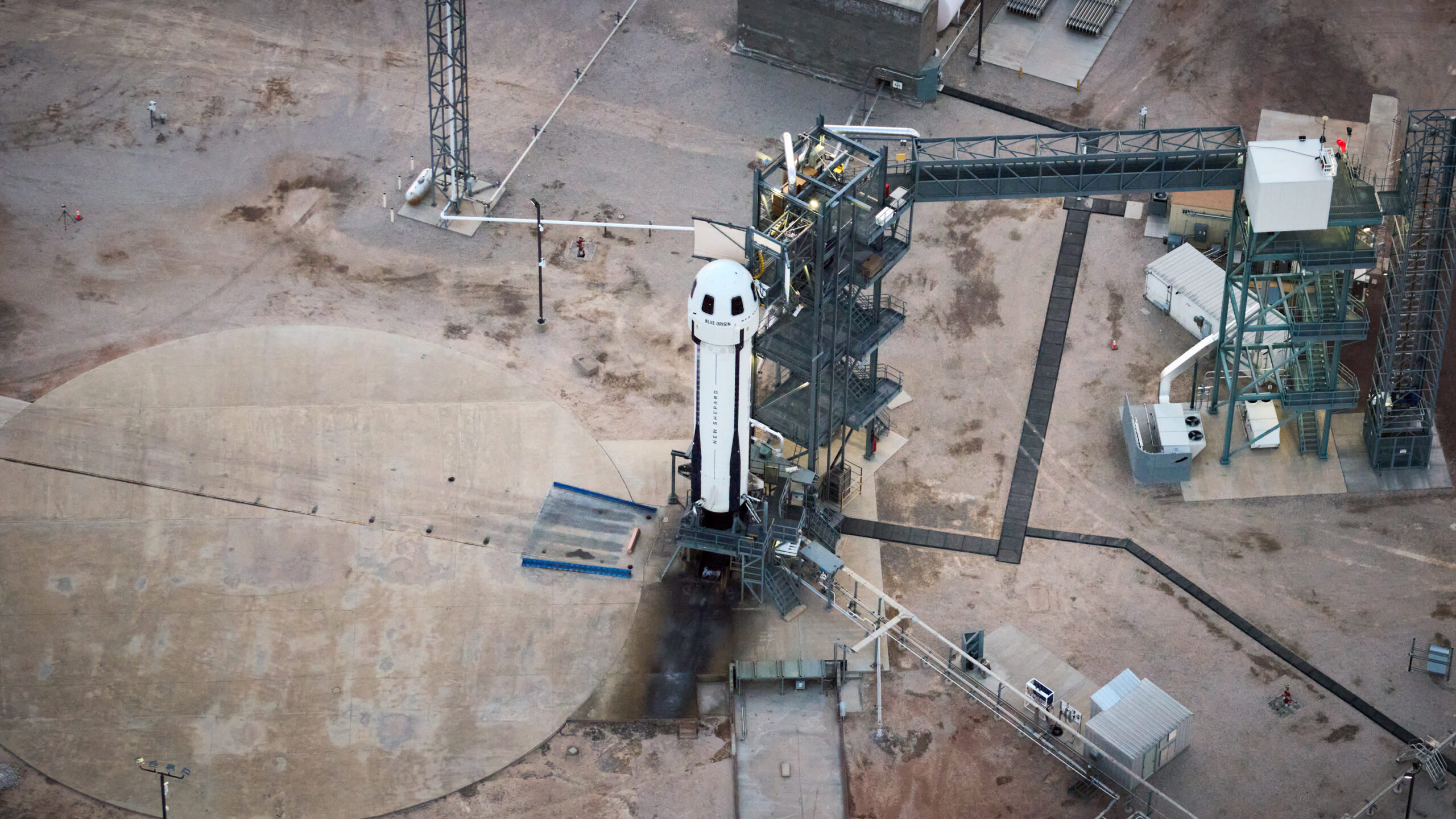
Blue Origin completed a successful NS-33 crewed flight of its New Shepard suborbital system on June 29, 2025, lifting six passengers above the Kármán line from Launch Site One in West Texas. The mission marked the program’s 13th crewed flight and the 33rd overall, advancing the company’s steady 2025 cadence. According to the company’s mission update, New Shepard has now flown 70 people to space, including four repeat flyers. The company confirmed the flight’s completion in an official update available here.
Mission snapshot
- Vehicle: Blue Origin New Shepard (suborbital)
- Mission designation: NS-33
- Launch date: June 29, 2025 (local time) following weather-related delays
- Launch site: Launch Site One, West Texas
- Crew (6): Allie Kuehner; Carl Kuehner; Leland Larson; Freddie Rescigno, Jr.; Owolabi Salis; Jim Sitkin
- Program totals: 13 crewed flights, 33 New Shepard missions, 70 people flown to space
Weather delays and launch campaign
The NS-33 campaign experienced several schedule changes driven by winds and precipitation near Launch Site One. Initial attempts targeted June 21, with scrubs on June 21 and 22 due to high winds and deteriorating weather. Subsequent windows were evaluated through the week, with a final “go” leading to liftoff on June 29 after additional monitoring of cloud cover and winds.
Crew and mission patch highlights
The six-person team reflects diverse backgrounds spanning conservation, entrepreneurship, law, and philanthropy. Blue Origin also released the NS-33 mission patch with symbolic elements tied to each participant’s personal story:
- Leaves highlighting commitments to environmental stewardship
- A school bus referencing work in public transportation
- A Moon symbol pointing to interest in archeological discovery
- Scales of justice representing employment law advocacy
- A lotus flower symbolizing a spiritual journey
- Two green lines circling Earth marking the horizon and the Kármán line
Program context
NS-33 continues a brisk 2025 flight tempo for New Shepard, following crewed missions earlier in the year. The suborbital platform is designed to carry private astronauts and research payloads on short-duration flights above the internationally recognized boundary of space. With this mission, Blue Origin expands its passenger count and maintains momentum in commercial human spaceflight.
Why it matters
NS-33 adds operational depth to Blue Origin’s suborbital program, underscoring repeatability and campaign management under shifting weather conditions. The mission contributes to a growing tally of individuals experiencing suborbital spaceflight and supports a broader market that includes privately funded explorers and specialized research.
For the company’s official mission updates and background on the crew and campaign timeline, see the Blue Origin mission update.