France’s CNES will supply CASPEX cameras to the United Arab Emirates’ Rashid‑2 lunar rover, set to ride to the Moon aboard Firefly Aerospace’s Blue Ghost lander in the second half of 2026. Building on flight heritage from Mars and Earth‑orbiting platforms, the compact imagers will provide critical visual data as the rover targets the Moon’s far‑side south polar region.
Mission overview
Rashid‑2, developed by the Mohammed Bin Rashid Space Centre (MBRSC), is planned to explore the far side near the lunar south pole. The mission follows the first Rashid attempt, which ended in a failed landing, and seeks to expand surface operations and engineering knowledge for future robotic activities.
French contribution and readiness
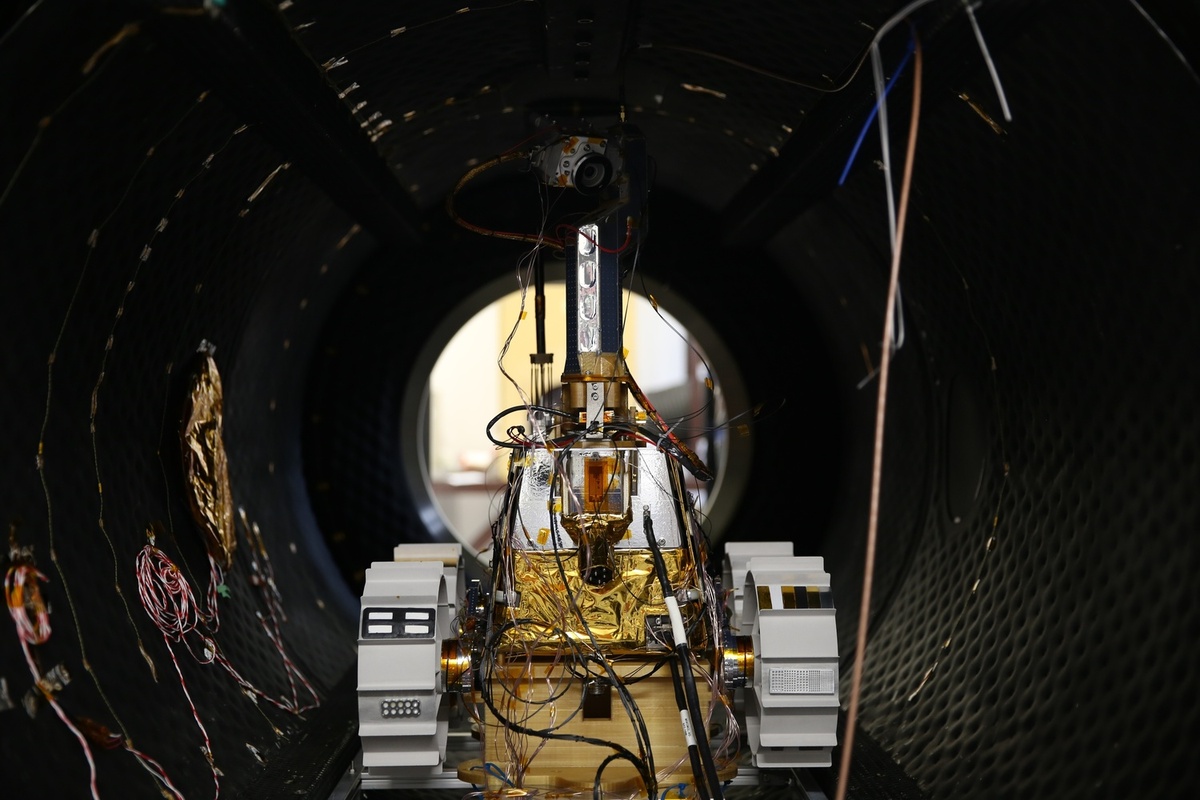
CNES has been developing CASPEX since 2015 for reliable operations in harsh space environments. For Rashid‑2, France provided two complete CASPEX cameras and an additional module, delivered in November 2024. MBRSC teams conducted thermal‑vacuum testing at CNES facilities in February to help validate the rover’s readiness. Beyond hardware delivery, CNES will support mission operations from a center in Toulouse with image‑quality expertise. CNES and MBRSC also formalized cooperation with a memorandum of understanding signed on 15 September during World Space Business Week in Paris.
Instrument heritage
CASPEX has accumulated flight heritage across multiple platforms:
- Imaging on the Eyesat nanosatellite
- Support to the SuperCam instrument on NASA’s Perseverance Mars rover
- Deployment across 100 OneWeb satellites
Rover objectives and camera role
Rashid‑2 will carry three CASPEX units. The mission is designed to both mature rover technologies and return environmental data relevant to future surface campaigns. Key objectives include:
- Evaluating rover wheel durability and wear in abrasive lunar regolith
- Collecting in situ measurements related to plasma, geology and thermal conditions
- Assessing CASPEX survivability through extreme temperature cycles, including lunar nights approaching −180°C
- Advancing geological investigations with support from the CRPG Earth and planetary sciences laboratory in Nancy
Timeline and next steps
With hardware deliveries complete and subsystem testing underway, upcoming milestones include rover integration, lander compatibility checks and environmental qualification ahead of Blue Ghost’s targeted 2026 launch window. Post‑landing, imaging operations will be conducted with CNES support from Toulouse.
Source: CNES announcement