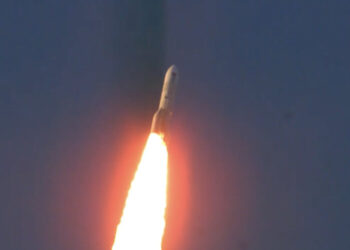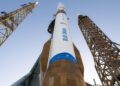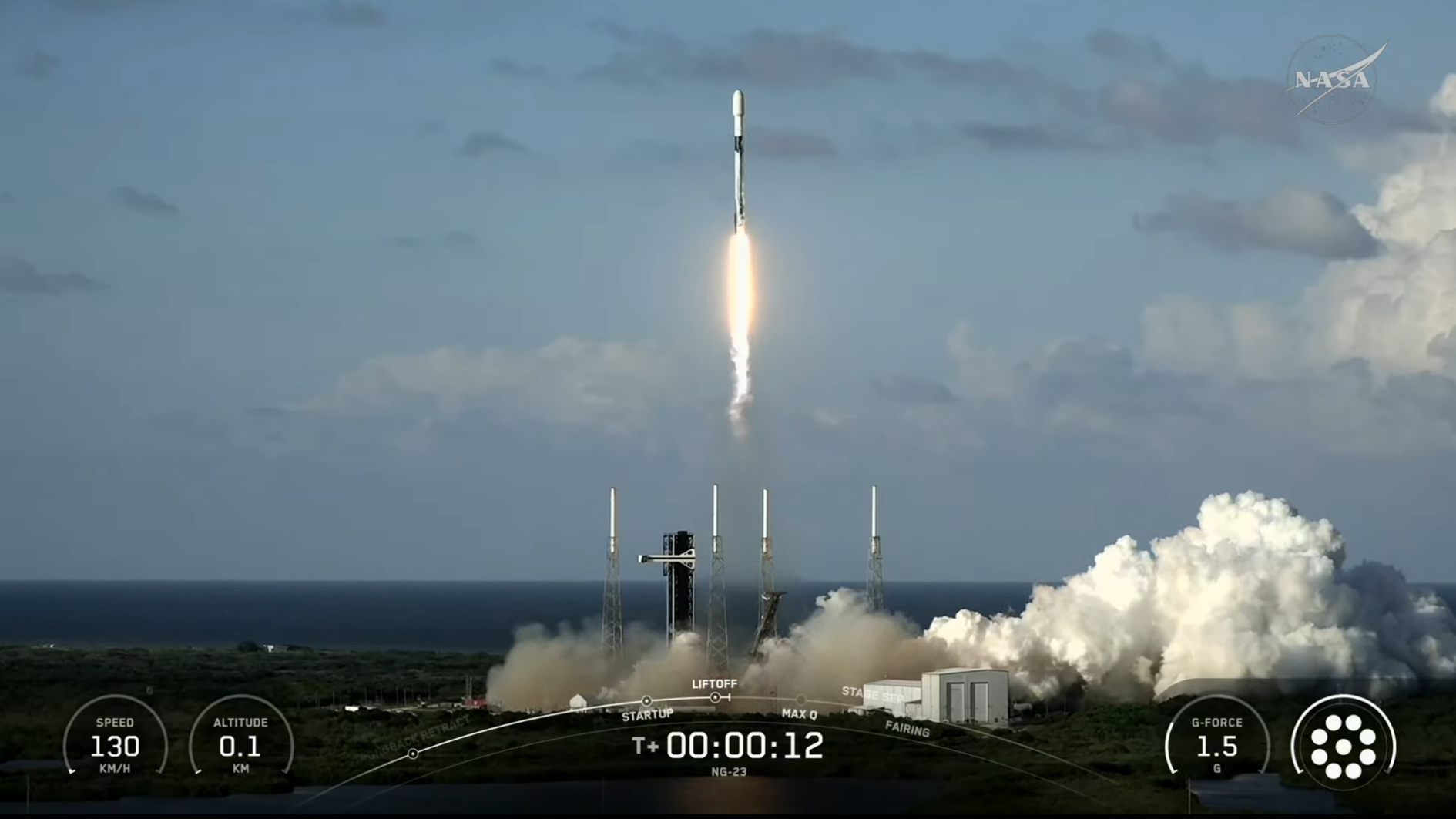
Northrop Grumman’s upgraded Cygnus XL cargo spacecraft launched at 6:11 p.m. EDT on Sept. 14, 2025, atop a SpaceX Falcon 9 from Space Launch Complex 40, carrying more than 11,000 pounds of research, hardware, and crew supplies to the International Space Station under NASA’s Commercial Resupply Services (CRS-23) mission.
Mission overview
This first flight of the larger, more cargo-capable Cygnus XL is scheduled for capture at 6:35 a.m. EDT on Wednesday, Sept. 17, by the station’s Canadarm2, operated by NASA astronaut Jonny Kim with assistance from Zena Cardman. Following capture, Cygnus will be installed on the Unity module’s Earth-facing port for unloading. The spacecraft is named the S.S. William “Willie” C. McCool. It is expected to remain at the station until March 2026 before a disposal reentry carrying several thousand pounds of trash.
What’s onboard
- Materials and hardware to grow semiconductor crystals in microgravity.
- Equipment aimed at improving cryogenic propellant tank technologies.
- A specialized ultraviolet light system designed to limit microbial biofilms in water systems.
- Supplies for producing pharmaceutical crystals with potential applications for cancer and other diseases.
These investigations support Expedition 73 across biology and biotechnology, physical sciences, Earth and space science, and technology demonstrations.
Operations timeline
- Wednesday, Sept. 17, 5:00 a.m. EDT – Arrival coverage is scheduled to begin on NASA platforms.
- Wednesday, Sept. 17, 6:35 a.m. EDT – Robotic capture with Canadarm2.
- Wednesday, Sept. 17, 8:00 a.m. EDT – Installation coverage is scheduled to begin.
All times are subject to change based on real-time operations.
Program and industry context
Launching Cygnus XL on Falcon 9 demonstrates cross-provider integration within NASA’s Commercial Resupply Services portfolio and adds operational flexibility for station logistics. The mission continues nearly 25 years of continuous U.S. human presence in low Earth orbit while advancing research and technology that inform future exploration under Artemis and preparations for eventual crewed missions to Mars.