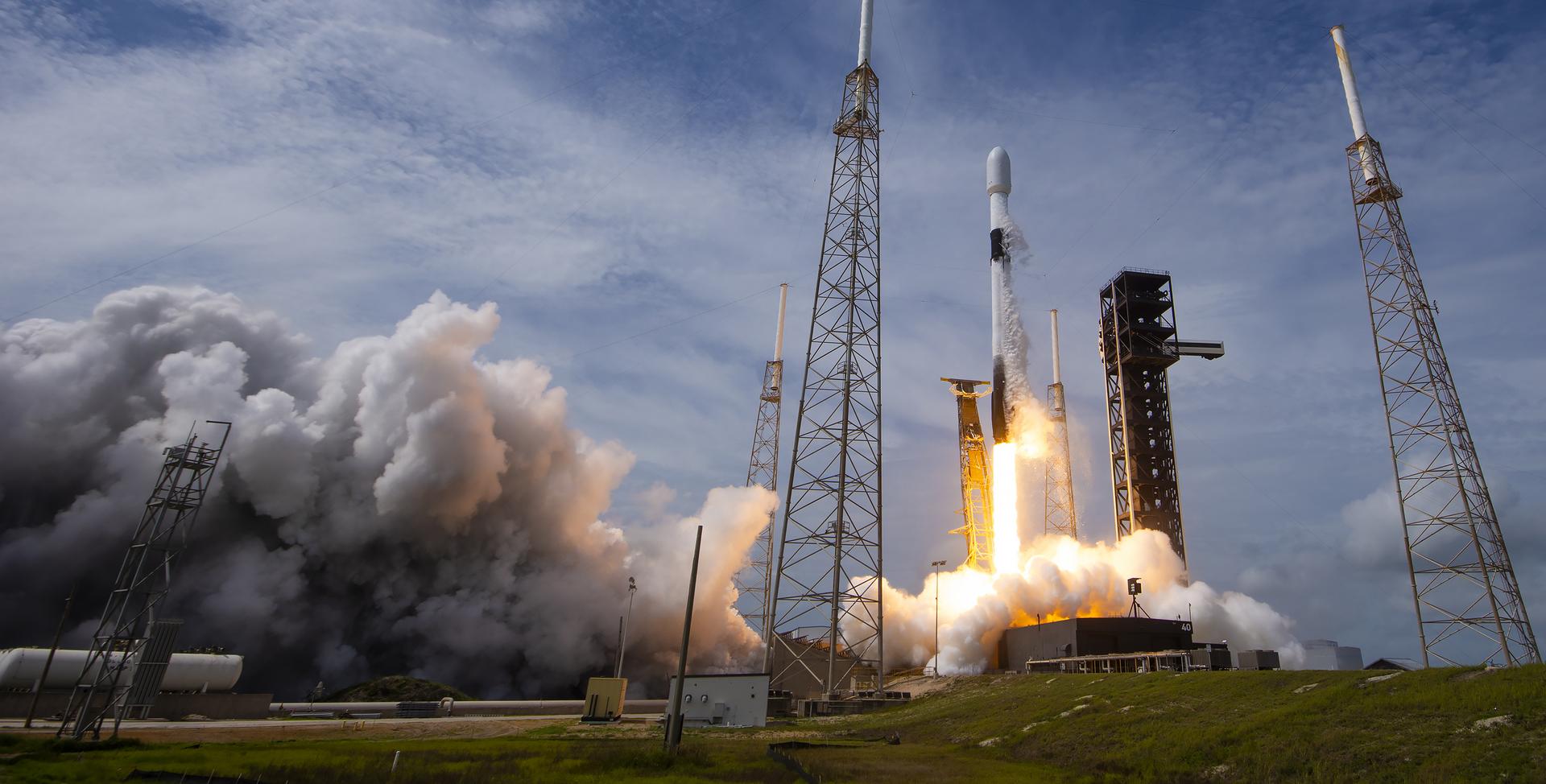
Northrop Grumman’s Cygnus XL cargo spacecraft is set to debut atop a SpaceX Falcon 9 for the CRS-23 mission to the International Space Station (ISS). Liftoff is targeted for 6:11 p.m. EDT from Space Launch Complex 40 at Cape Canaveral Space Force Station, with arrival at the station planned for Wednesday, Sept. 17. According to NASA, the vehicle is loaded with more than 11,000 pounds of scientific investigations, crew supplies, and hardware. Source: NASA.
What’s new with Cygnus XL
This mission marks the first flight of the enlarged Cygnus configuration, designed to increase cargo volume and mass capability to the ISS. The upgrade builds on the heritage of earlier Cygnus flights while aiming to improve logistics efficiency for station operations and research throughput.
Launch and rendezvous timeline
- Liftoff from SLC-40 at 6:11 p.m. EDT.
- Phasing and approach to the ISS over the following days.
- Capture on Sept. 17 using the station’s Canadarm2, operated by Expedition 73 crew members.
- Berthing to the Unity (Node 1) Earth-facing port for cargo transfer.
Mission operations and responsibilities
Once captured with Canadarm2, Cygnus XL will be installed on Unity’s nadir port for unloading. The manifest includes a mix of scientific payloads, food, equipment, and maintenance hardware supporting ongoing ISS operations and research objectives. After the delivery campaign, Cygnus will dispose of trash via a controlled, destructive reentry.
Program context
Launching Cygnus on Falcon 9 continues a cross-provider approach to cargo services under NASA’s CRS-2 contract framework. The pairing supports schedule continuity as Northrop Grumman advances its next-generation launch capabilities, while maintaining steady logistics flow to the ISS.
Why it matters
- Introduces a higher-capacity Cygnus variant for ISS resupply.
- Demonstrates flexible launch integration across commercial providers.
- Delivers critical science and station consumables to sustain Expedition 73 operations.
Cygnus XL for CRS-23 is named S.S. William C. McCool in honor of the NASA astronaut who lost his life in the 2003 Space Shuttle Columbia accident. NASA coverage is available across NASA+, Amazon Prime, and additional platforms, with mission updates posted on official ISS channels. For details, see the NASA ISS blog.