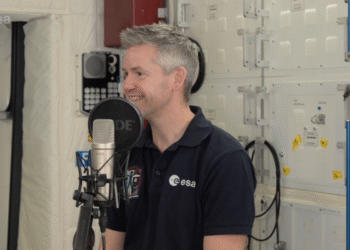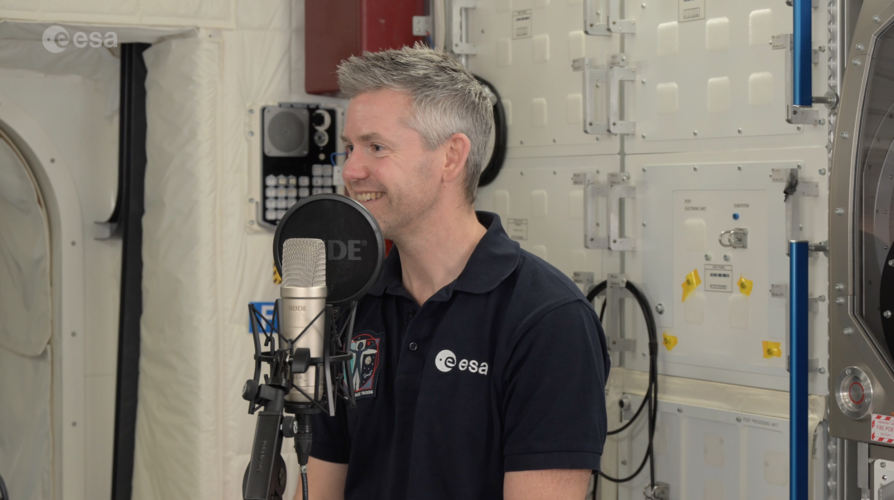
ESA has signaled a major step toward inclusive spaceflight after a feasibility study found no technical showstoppers to flying to the International Space Station with a lower-limb prosthesis. In a new episode of ESA’s “Explores” series, Paralympian and medical doctor John McFall, a member of the ESA Astronaut Reserve, outlines the path from study results to certification, training, and potential research in microgravity.
Study outcome: prosthesis use in orbit appears feasible
The assessment, conducted under ESA’s FLY initiative, concludes that with appropriate risk controls and procedures, a prosthesis can be integrated into ISS operations. The finding removes a significant barrier to participation for candidates with limb differences and provides a framework for developing operational guidelines tailored to assistive devices in space.
What happens next
With feasibility established, ESA and partners are expected to advance into verification and operational planning phases focused on safety, performance, and mission compatibility.
- Hardware certification: Establishing that a prosthesis and related components meet crew equipment requirements for on-orbit use, including robustness, maintainability, and safe interaction with life-support environments.
- Operational concepts: Defining procedures for suited and unsuited operations, emergency scenarios, and nominal tasks where assistive devices may require adaptations.
- Scientific proposals: Designing studies to evaluate biomechanics, load distribution, and mobility with prosthetics in microgravity, including treadmill running protocols and daily activity assessments.
- Flight analogs and evaluation: Continued parabolic flights and ground-based simulations to refine procedures and hardware configuration before flight opportunities arise.
Training progress at the European Astronaut Centre
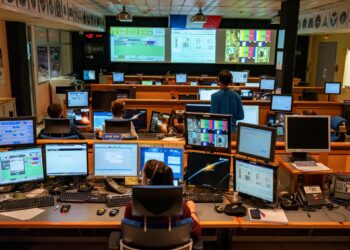
McFall’s activities are embedded within Astronaut Reserve Training (ART) at the European Astronaut Centre (EAC) near Cologne, Germany. The program builds foundational skills for future mission roles in Earth orbit and beyond. Modules covered include:
- Spacecraft systems and robotics familiarization
- Human behavior and performance
- Scientific operations and lab procedures
- Neutral-buoyancy and scuba-based practice
- Field and survival training for contingency scenarios
Additional work targets microgravity mobility, including controlled running and stability assessments using ground analog tools designed to simulate reduced loading.
Why this development matters
Integrating assistive technology into human spaceflight broadens the astronaut talent pool and deepens understanding of human performance variability in extreme environments. For mission planners, inclusive design can lead to more resilient systems and procedures that benefit all crew members. For researchers, prosthesis-focused studies may reveal new insights in space medicine, biomechanics, and countermeasures development.
The interview featuring these updates was recorded in February 2025 and is available via ESA’s multimedia channels. Watch the full episode and program details on the ESA video page.