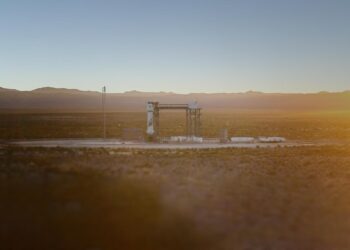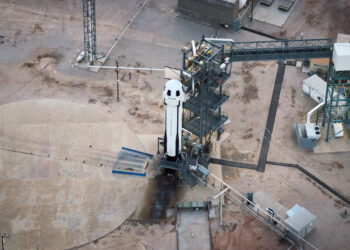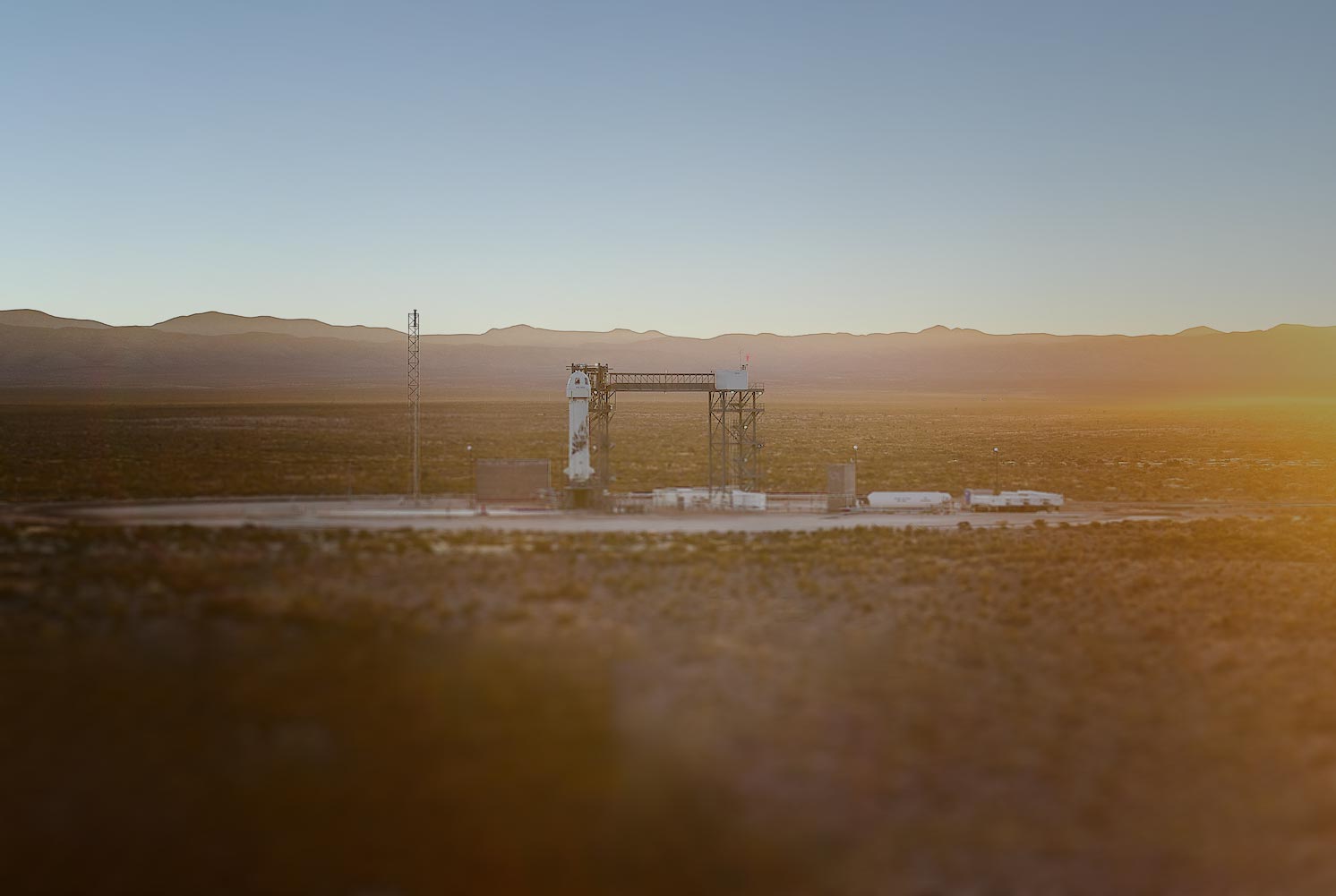
Blue Origin completed its 12th crewed New Shepard mission, NS-32, sending six passengers on a suborbital flight from Launch Site One in West Texas. The operation marked the program’s 32nd flight and raised the company’s total to 64 people flown to space.
Mission overview
NS-32 followed New Shepard’s standard suborbital profile, carrying the crew past the internationally recognized boundary of space for several minutes of microgravity before capsule touchdown in the desert. Blue Origin reported a successful completion of the flight, further extending the vehicle’s record as a reusable, autonomous system for human spaceflight and research.
The NS-32 crew
- Aymette (Amy) Medina Jorge — K-12 STEM educator known for hands-on space and microgravity projects with students.
- Dr. Gretchen Green — radiologist and educator with longstanding involvement in space outreach and leadership roles in the Space Camp community.
- Jaime Alemán — Panamanian attorney, businessman, and former ambassador to the United States.
- Jesse Williams — Canadian entrepreneur and competitive mountaineer.
- Mark Rocket — New Zealand aerospace executive and technology leader.
- Paul Jeris — real estate developer and lifelong space enthusiast.
Vehicle and operations
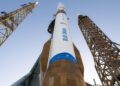
New Shepard is a fully reusable, autonomous suborbital rocket system designed to fly people and scientific payloads above the Kármán line. The booster is powered by a single BE-3PM engine that burns liquid hydrogen and liquid oxygen; the engine’s combustion produces water vapor. The capsule provides large windows for viewing and a short microgravity period suitable for technology demonstrations and educational or scientific payloads.
Reusability is central to the system’s operations strategy, with the booster and capsule designed for rapid turnaround. The suborbital architecture enables frequent flights, helping lower per-mission costs and support a mix of human spaceflight and research customers.
Program milestones
With NS-32, Blue Origin has now flown 64 people to space, a total that includes several repeat flyers. The New Shepard program has also carried more than 175 scientific and educational payloads above the Kármán line across its flight history, expanding access to short-duration microgravity and high-altitude environments for researchers and students.
Why it matters
The continued cadence of crewed suborbital missions indicates growing operational maturity in commercial human spaceflight. Regular flights provide opportunities for experiential access to space while enabling iterative research in areas such as materials science, life sciences, and technology maturation—all within a reusable launch framework.
Additional details about the NS-32 mission and the crew are available in Blue Origin’s mission update at the company’s website.