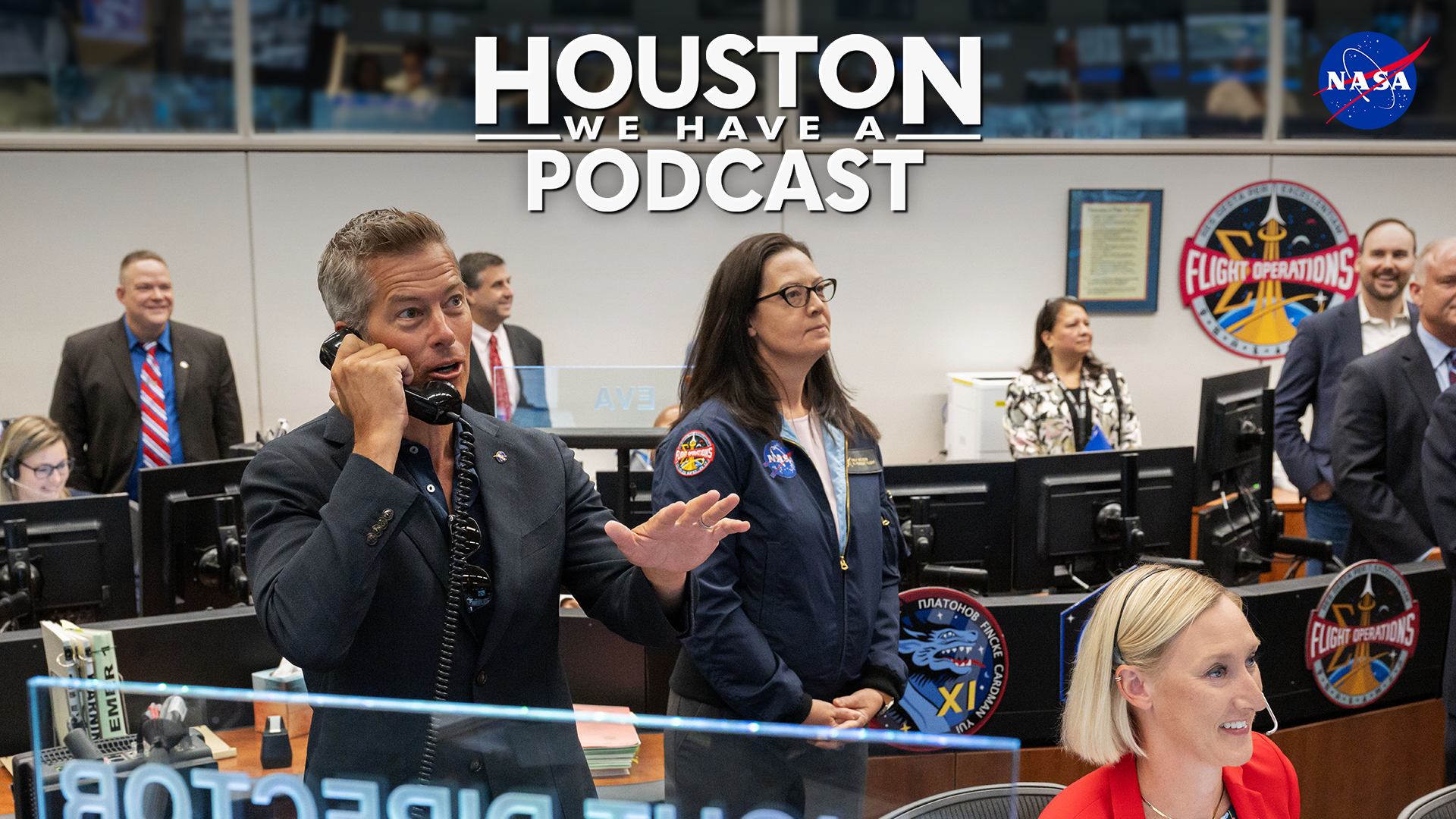
Acting NASA Administrator Sean Duffy outlined a tighter, faster set of priorities for the agency in a milestone episode of NASA’s “Houston We Have a Podcast,” emphasizing a quicker Artemis cadence, a smooth International Space Station transition to commercial platforms, and a more focused science portfolio aligned to human exploration goals. The discussion, recorded August 18, 2025, is available via the official NASA podcast.
Artemis: Pace and Affordability
Duffy signaled an intent to maintain momentum toward crewed lunar missions, identifying Artemis II as an early 2026 target and Artemis III in mid-to-late 2027, subject to readiness. He underscored that sustaining a long-term lunar program requires bringing down recurring per-launch costs, pointing to budget pressure in Congress and the need to leverage industry innovations to support a durable Moon-to-Mars campaign.
Key Artemis thrusts include:
- Driving schedule discipline while safeguarding crew and mission safety.
- Aligning architectures and partnerships to reduce recurring cost and increase flight frequency.
- Advancing enabling capabilities for the lunar south pole, including surface power and habitation elements.
ISS Transition and Commercial LEO
With ISS operations planned through 2030, Duffy emphasized dual tracks: safe, coordinated deorbiting with international partners and timely availability of commercial low Earth orbit destinations. He framed NASA’s role as one of many customers in LEO, with demand assessments informing how government missions, commercial research, and private activities will share future platforms.
Near-term focus areas include:
- Progress on the U.S. deorbit strategy in coordination with partners, including Russia.
- Support for the maturation of commercial station designs to avoid a post-ISS gap.
- Clarity on NASA demand profiles to guide industry investment.
Focused Science for Exploration
Duffy called for sharpening NASA’s science portfolio toward technologies and research that directly enable human deep space missions. Priority areas include life support, radiation protection, in-situ resource utilization, and surface power systems such as fission at the lunar south pole to enable a sustained presence. He noted that NASA will continue to execute congressionally mandated missions and interagency support, while prioritizing exploration-directed research under tighter budgets.
Governance, Safety, and Interagency Integration
Serving concurrently as U.S. Secretary of Transportation, Duffy highlighted opportunities to streamline NASA–FAA coordination on commercial launch licensing while maintaining strict safety standards. He linked agency priorities to broader national objectives, including modern, resilient infrastructure for aviation and spaceflight operations.
Workforce and Messaging
Amid recent workforce changes, including the voluntary resignation program (DRP), Duffy stressed mission clarity and public engagement. He framed his tenure—however long—as setting a clear “north star” for exploration and re-energizing public understanding of what NASA plans to achieve next, not only what it has accomplished in the past.
What to Watch Next
- Artemis II crewed flight test readiness milestones and integrated testing.
- Artemis III schedule updates and progress across lander, suits, and surface systems.
- U.S. deorbit capability developments and international coordination for ISS end-of-life.
- Commercial LEO Destinations program milestones and NASA service transition planning.
- Technology progress on lunar surface power, ISRU, and habitat demonstrations.
- Policy steps aligning science investments with human exploration objectives.
Duffy’s framework concentrates NASA’s resources on delivering near-term crewed missions, de-risking the ISS handover to commercial platforms, and building the technologies required for a sustained lunar presence—all while reinforcing safety and interagency coordination to enable a competitive, resilient U.S. space sector.