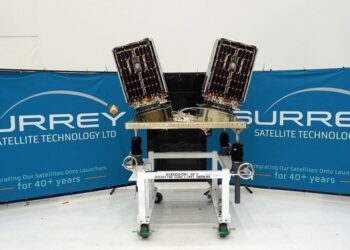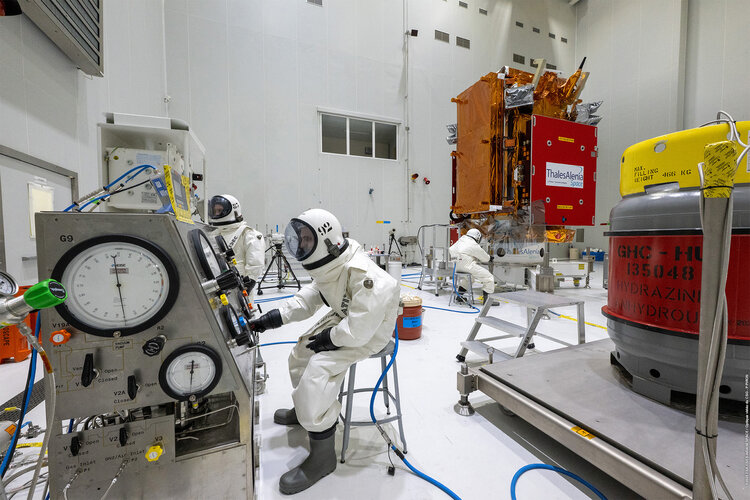
Sentinel-1D has cleared its Flight Readiness Review and completed fueling at the Guiana Space Centre in Kourou, positioning the Copernicus radar-imaging satellite for encapsulation and integration with an Ariane 6 launcher ahead of a targeted liftoff on 4 November. The European Space Agency confirms the launch campaign is proceeding on schedule as the mission prepares to reinforce Europe’s C-band radar imaging capability.
Mission status and timeline
The satellite is now in its final launch configuration and is set for payload fairing encapsulation on 24 October. Following encapsulation, Sentinel-1D will be mated to the launcher for final checks and countdown operations.
- Flight Readiness Review: completed
- Fueling: completed in Kourou
- Encapsulation: planned for 24 October
- Launch target: 4 November on Ariane 6
Once commissioned in orbit, Sentinel-1D is intended to substitute Sentinel-1A, which has operated for 11 years, exceeding its planned service life. It will operate alongside its sibling Sentinel-1C to sustain and enhance radar imaging continuity for Copernicus users.
Payload and services
Sentinel-1D carries a C-band synthetic aperture radar (SAR) instrument designed to acquire high-resolution imagery of Earth’s surface in all weather conditions, day and night. The mission supports rapid mapping for emergencies, land and ice monitoring, maritime domain awareness, and infrastructure surveillance. An onboard Automatic Identification System (AIS) augments maritime monitoring by improving detection and tracking of ships; with Sentinel-1C also operational, users can expect more frequent AIS observations.
Data from the Sentinel-1 constellation underpin operational Copernicus information services used by disaster response teams, environmental agencies, maritime authorities, and climate researchers who require frequent, reliable updates.
Ariane 6 launch vehicle
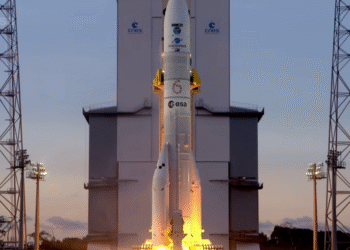
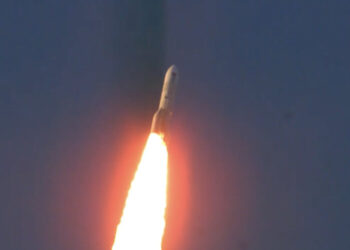
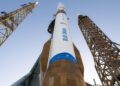
Ariane 6 is Europe’s heavy-lift launcher, designed to provide autonomous access to space for a broad range of missions. Standing over 60 meters tall and reaching nearly 900 tonnes at liftoff with a full payload, Ariane 6 features a modular, versatile design capable of placing spacecraft into low-Earth orbit and beyond.
Copernicus context
Sentinel-1D is part of the European Union’s Copernicus Earth observation program, developed in partnership with ESA. Copernicus delivers open-access data that support environmental management, climate change monitoring, maritime safety, and civil protection.
What’s next
- Encapsulation inside the payload fairing on 24 October
- Integration with Ariane 6 and final launch preparations
- Targeted launch on 4 November from Kourou, French Guiana
- In-orbit commissioning to enter routine service and assume duties from Sentinel-1A
For additional details and updates, see the European Space Agency’s mission page: ESA: Sentinel-1D fuelled and ready for encapsulation.